Let’s cut through the social media hype for a second. That glossy, red-gold consommé you’ve seen dripping from a thousand tacos? It’s not just a “sauce.” It’s a centuries-old negotiation between fire, earth, and time. I’ve spent over twenty years chasing flavors across Mexico, from bustling mercados to quiet home kitchens in Jalisco, and I can tell you this: most of what’s celebrated online is a shadow of the real thing. Today, I’m pulling back the curtain. We’re not just making salsa para birria; we’re building a culinary monument. Forget “easy birria sauce recipe” for a moment. We’re going deep.
Introduction: More Than a Trend, It’s a Testament
I remember my first real birria experience. It wasn’t in a trendy restaurant, but at a pre-dawn puesto in Guadalajara, the air thick with mesquite smoke and anticipation. The vendor, a man with hands etched by decades of handling hot ollas de barro (clay pots), ladled a deep, aromatic broth over fall-apart tender goat. He didn’t call it “birria sauce.”
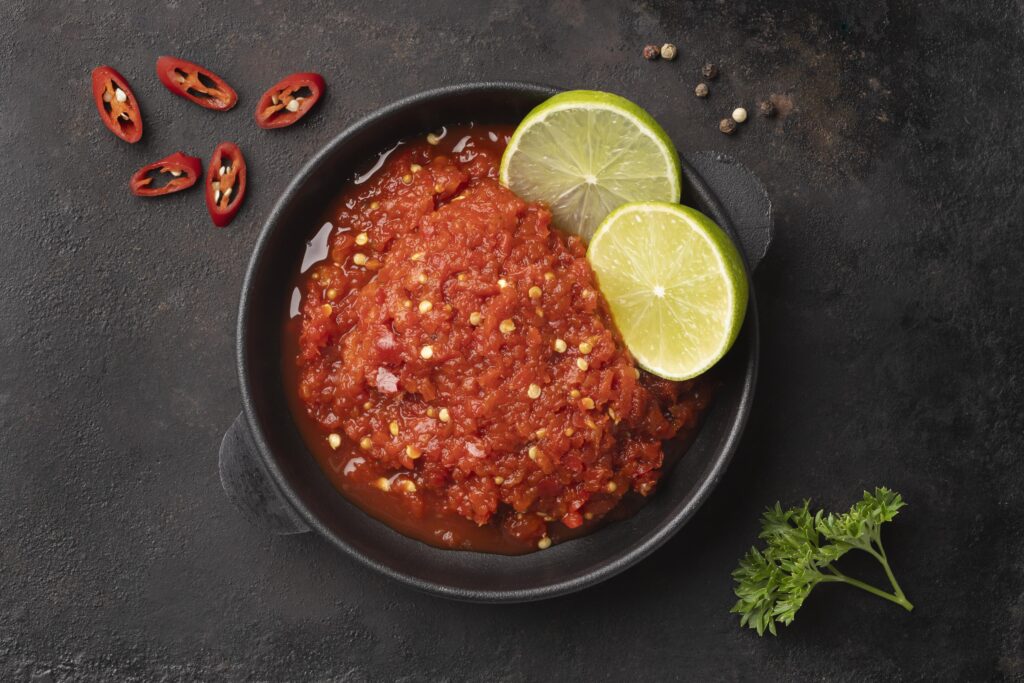
He called it el consome—the essence, the soul of the dish. That moment redefined “umami” for me. This consommé, this birria sauce, is a complex, layered reduction of roasted chiles, spices, meat juices, and patience. It’s a cooking liquid, a dipping sauce, a braising medium, and a soup all in one. Its current global virality as a taco dip is just one chapter in its long, rich story. Understanding its depth is the key to unlocking its true magic.
What Is Birria Sauce? Deconstructing the Liquid Gold
Semantically, calling it a “sauce” is almost a disservice. In the traditional birria de res (beef) or birria de chivo (goat) context, it is the consumo de birria—the consummate broth. It’s the concentrated, flavorful outcome of slowly braising meat with a paste (adobo) of rehydrated dried chiles, vinegar, and spices. The process is alchemical: the fat renders, the collagen from tough cuts dissolves into gelatin, the chiles and spices bloom, and the liquid reduces, concentrating every molecule of flavor.
The modern “birria sauce” for tacos is often a slightly adapted version of this consommé. After the meat is cooked and shredded, the broth is skimmed of excess fat (which is then used to crisp the tortillas), and the remaining liquid is served alongside for dipping. Its consistency is neither thin like a soup nor thick like a gravy; it’s untuoso—unctuous, rich, and coating. It should have a shimmering layer of red oil on top, a sign of properly emulsified chile oils and rendered fat. This is the hallmark of an authentic receta de birria.
The Origin of Birria Sauce: A Story of Survival and Ingenuity
To understand the sauce, you must understand birria’s birthplace. The common lore points to Jalisco, specifically the state’s center, and this is largely correct. But the “why” is more fascinating. After the Spanish conquest, goats were introduced and proliferated in the arid, mountainous regions. Their meat, often tough and gamey, was considered “poor man’s food.” Indigenous and mestizo cooks, masters of pit barbacoa, applied their knowledge to this new ingredient.
The genius lay in the preservation and transformation. Tough, stringy goat needed long, slow cooking. Dried chiles (which stored well) and spices were used not just for flavor, but to mask any undesirable gaminess. Vinegar (a Spanish introduction) added brightness and acted as a tenderizer. The cooking vessel—the traditional clay pot—was crucial. Its porous nature allowed for a gentle, even evaporation, concentrating flavors without scorching, something stainless steel simply cannot replicate perfectly. This wasn’t fine dining; it was culinary problem-solving that resulted in sublime taste.
The name itself is telling. Some say “birria” comes from the onomatopoeic berrear (to bleat, like a goat). More colloquially, in old Mexican slang, birria could mean something messy, of low quality, or a “hot mess.” It was a term of endearment for this humble, chaotic, incredibly delicious dish. The salsa de birria, therefore, is the refined essence of that beautiful mess.
Key Ingredients in Authentic Birria Sauce: The Flavor Matrix
This is where most recipes fail. They treat the ingredient list as a checklist. I treat it as a symphony, where each player has a distinct role. Substituting or misunderstanding these roles is why your homemade birria sauce recipe might taste flat or one-dimensional.
The Chile Foundation (The Body and Color):
- Guajillo: The workhorse. It provides a sweet, tangy, berry-like fruitiness and a vibrant red color without overwhelming heat. It’s the base note. Never skip it.
- Ancho: The depth. A dried poblano, it offers a rich, raisiny, almost chocolaty sweetness and a darker, brick-red hue. It adds complexity and rounds out the sharp edges.
- Chile de Árbol or Puya: The heat. Guajillo and ancho are mild. Árbol brings a sharp, direct heat; puya is a bit fruitier. This is your calibrator. For a easy birria sauce, you might reduce these, but authentic versions always have a kick. Insider Tip: The number of árbol chiles is a cook’s signature. My personal blend uses 3-4 for a warm, persistent glow.
The Aromatic Trinity (The Soul):
- Garlic & Onion: Roasted, not raw. Roasting caramelizes their sugars and eliminates harsh, raw allicin notes, embedding a sweet, foundational savoriness into the adobo de birria.
- Tomatoes or Tomatillos: Often overlooked in simplified recipes. A charred Roma tomato or two (or a couple of tomatillos) adds a necessary touch of acidity and umami that brightens the deep chile flavors. It’s the secret layer that keeps the sauce from being muddy.
The Spice Cabinet (The Nervous System):
- Mexican Oregano: Not Mediterranean oregano. The Mexican variety is more floral, less pungent. It’s essential.
- Cumin: Use it sparingly. It’s a strong spice that can dominate. A half-teaspoon to a teaspoon is plenty for a large batch.
- Cloves & Allspice: The “warm” spices. One or two cloves max, a few allspice berries. They provide a haunting, complex background note that whispers, “This is old-world cooking.”
- Bay Leaves: Added during the braise, not the blend. They impart a subtle, herbal depth to the simmering liquid.
- Black Peppercorns: Freshly cracked, always.
The Liquid & Fat (The Vehicle):
- Vinegar: The tenderizer and brightener. Apple cider vinegar is common, but a splash of white vinegar works. It cuts the fat and helps blend the paste.
- Broth/Water: You’ll need liquid to blend the paste and to braise. A good beef broth (low-sodium) is better than water.
- The Meat’s Fat: This is non-negotiable. The magic of the final birria consomé relies on the rendered fat from a well-marbled chuck roast, short ribs, oxtail, or, traditionally, goat. This fat, skimmed and used to fry the tacos, is what creates that iconic flavor and texture. No lean cuts allowed.
| Ingredient Category | Primary Role | Common Mistake to Avoid |
|---|---|---|
| Chiles (Guajillo/Ancho) | Body, Sweetness, Color | Not toasting them lightly before soaking. Toasting wakes up the oils. |
| Aromatics (Garlic/Onion) | Savory Foundation | Adding them raw to the blender, creating a harsh flavor. |
| Acid (Vinegar/Tomato) | Brightness & Balance | Using too much vinegar, making the sauce sour. |
| Meat Fat | Unctuousness & Flavor Carrier | Using lean meat or discarding the fat. The fat is the flavor. |
How to Make Birria Sauce: A Step-by-Step Ritual
Here is my method, honed through years of trial, error, and guidance from abuelas. This makes enough adobo and broth for a 4-5 lb meat cut.
Step 1: The Chile Prep – Awakening the Flavor
Deseed and devein your chiles. I leave a few seeds in the árbol for heat. Lay them flat in a dry comal or heavy skillet over medium-low heat. Press them down for 10-20 seconds per side until they become fragrant, slightly pliable, and change color—but do not burn them. Burnt chiles make bitter sauce. Place them in a bowl and cover with just-boiled water. Place a small plate on top to submerge them. Soak for 20-25 minutes until very soft.
Step 2: Building the Adobo Paste – The Heart of the Operation
In the same dry skillet, char your halved onion, garlic cloves (in their skin), and tomatoes until blackened in spots. This char is flavor. Let them cool slightly, peel the garlic. In a blender, combine the soaked chiles (drained, reserving the soak water), the charred veggies, your spices (oregano, cumin, cloves, allspice, peppercorns), a tablespoon of salt, and the vinegar. Add about 1-2 cups of the chile soak water. Blend on high until it’s a velvety-smooth, deep red paste. This is your adobo. Insider Tip: Strain this paste through a medium-mesh sieve. It takes two minutes and removes any stubborn chile skin or seeds, guaranteeing a silky-smooth final consome de birria. This step is what separates good from great.
Step 3: The Marriage – Meat and Adobo
Pat your meat dry. Using your hands, massage the adobo paste onto every surface of the meat. Be generous. Let it marinate, covered, in the refrigerator for at least 4 hours, preferably overnight. This isn’t just surface flavoring; the acid and salt begin the tenderizing process.
Step 4: The Braise – Where the Sauce is Born
Place the marinated meat in your heaviest pot (Dutch oven is ideal, clay pot is sublime). Add any remaining adobo from the bowl. Add enough beef broth or water to come about 2/3 up the side of the meat. Toss in a couple of bay leaves. Bring to a very gentle simmer on the stovetop, then cover and either:
- Keep on lowest heat on stove for 3-4 hours, OR
- Transfer to a 300°F (150°C) oven for 3-4 hours.
The goal is a bare bubble. A rolling boil will make the meat tough and cloud the broth. You know it’s done when you can shred the meat with a fork without effort.
Step 5: The Separation & Final Act
Here’s the final craft. Carefully remove the meat to a bowl to shred. Now, you have a pot of incredible broth with a layer of beautiful red fat on top. Use a spoon or fat separator to skim off a good amount of this fat—this is your “frying gold” for the tacos. The remaining liquid in the pot is your birria sauce. Taste it. It will likely need a final adjustment of salt. Let it settle, then ladle it into bowls for dipping, or pour it back over the shredded meat for serving as a stew.
How to Use Birria Sauce: Beyond the Taco
The taco is a fantastic vehicle, but it’s just the start. This consommé is liquid versatility.
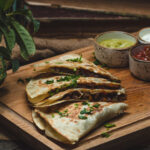
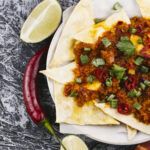
- The Classic Quesabirria Taco: Dip your corn tortilla in the skimmed fat, lay it on a griddle, add cheese, shredded meat, fold. Griddle to crisp. Serve with a side cup of the warm consommé for dipping. This is the modern classic.
- Birria Ramen or Consommé Shots: Swap your ramen broth for this consommé. Add noodles, a soft-boiled egg, shredded meat, and fresh cilantro. Or, serve small espresso cups of the hot consommé as a stunning amuse-bouche.
- Birria Pizza or Torta: Use the consommé as a “sauce” base on pizza dough, top with cheese and meat. For a torta, dip the bread roll lightly in the consommé before assembling—next-level.
- The Ultimate Leftover Hack: Reduce the consommé further until it’s a thick, syrupy glaze. Toss shredded meat in it and use it as a filling for empanadas or to top loaded fries.
Tips for Making the Best Birria Sauce: Insider Secrets
- Fat is Flavor, But Texture is Key: The perfect final sauce should have a slight lip-smacking quality from the gelatin. Using a cut with connective tissue (oxtail, short rib) is the best way to achieve this.
- The Salt Timeline: Season your adobo paste well, but hold back on oversalting the braising liquid initially. The reduction will concentrate it. Always do a final salt adjustment at the end.
- The “Fake” Clay Pot Hack: No clay pot? Place a comal or pizza stone on the bottom rack of your oven while preheating. Place your Dutch oven on it. The stone radiates heat, mimicking the even, ambient heat of a clay oven.
- On Commercial Shortcuts: You might see bottles like Cholula Birria Sauce or Jalisto Birria Sauce in stores. These are convenient, often vinegar-forward condiments meant to mimic the flavor profile. They’re not a substitute for the real, slow-cooked consommé, but they can be a quick fix for a birria-inspired marinade or drizzle. Think of them as “birria-flavored hot sauce,” not the sauce itself.
- The Day-After Phenomenon: Birria, like all great braises, is always better on day two. The flavors fully integrate, creating an even more harmonious and profound salsa de birria.
Conclusion: The Soul in the Pot
Making true birria sauce isn’t about following a recipe. It’s about understanding a process that transforms humble, tough ingredients into something luxurious and profound through time, heat, and respect for each component’s role. It’s a dish born of necessity that became a celebration.